6 Signs Your Compressor Filter Needs Replacing

6 Signs Your Compressor Filter Needs Replacing
Introduction
Compressor filters are critical protective components for any compressed air system. Many operators rely only on fixed hour counts for filter maintenance, but real-world operating conditions often make filters degrade faster than expected. Learning to recognize the warning signs helps you catch filter failure early before it damages your air compressor or disrupts downstream pneumatic operations.
Clogged or damaged filters create extra resistance, reduce system efficiency, and allow contaminants to pass into the air circuit. The following six key signs indicate that your compressor filter needs inspection and immediate replacement.
6 Common Signs That Your Compressor Filter Needs Replacement
Drop in Air Pressure and Reduced Airflow
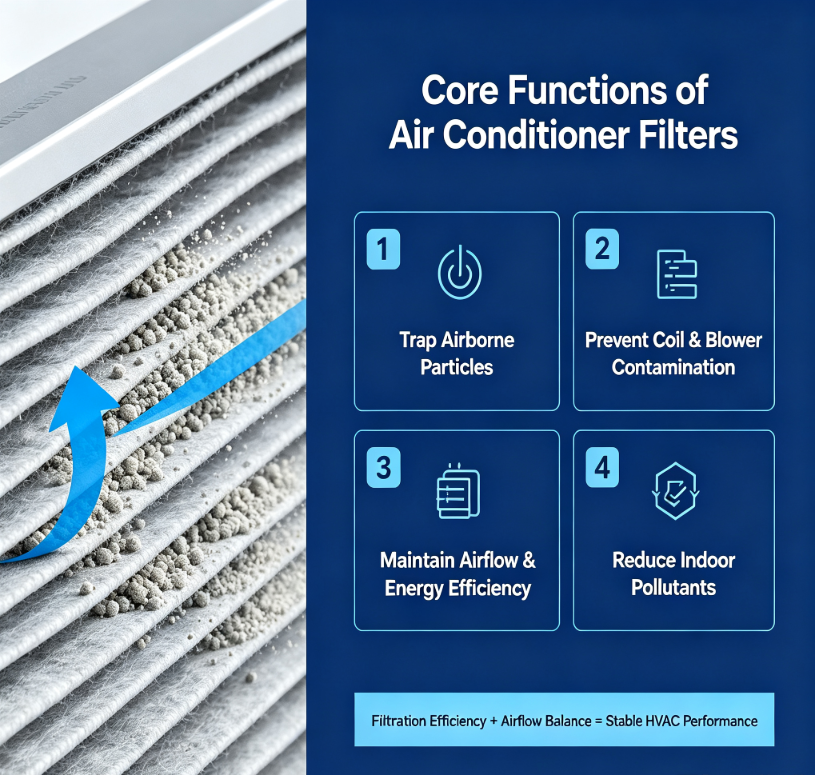
A noticeable pressure drop across your air filter is the most common sign of blockage. As dust and debris build up inside filter media, less air can pass through freely. You may notice pneumatic tools run slower, air actuators respond with delay, or the gauge shows lower working pressure than the compressor setpoint.
When pressure difference exceeds the manufacturer’s recommended threshold, the filter can no longer function properly. Even if the filter has not reached its scheduled service hours, replacement is required.
Rising Energy Consumption
Blocked filters force the compressor to work harder to maintain target pressure. The motor draws more current to overcome airflow resistance, leading to higher power bills without any increase in useful compressed air output.
If you observe consistent power consumption increases while production load stays unchanged, inspect all air filters. Replacing clogged filters often brings energy usage back to normal levels quickly.
Frequent Overheating and High-Temperature Alarms
Restricted airflow affects cooling and lubrication circulation inside screw compressors. Dirty intake filters reduce air supply, while blocked oil filters limit lubricant flow. Both issues raise operating temperature and trigger thermal shutdown alarms.
Repeated overheating accelerates aging of compressor oil and seals. Ignoring this sign can lead to rotor damage and expensive system downtime.
Oil Carryover in Compressed Air Lines
When oil separator filters are saturated or damaged, lubricating oil escapes with compressed air. You will find oil residue inside air pipelines, dryers, filters and pneumatic equipment. This oil contamination ruins finished products and shortens service life of downstream tools.
Visible oil in air outlets is a clear warning that the oil separator filter needs prompt replacement.
Visible Contamination or Physical Damage on Filter Media
Simple visual inspection can reveal problems. If filter media is heavily caked with dust, dirt or sticky debris, standard cleaning may not restore performance. Cracks, tears, bent frames or loose seals allow unfiltered air to bypass the filter entirely.
Once the media structure is broken, the filter loses its ability to capture particles and must be replaced immediately.
Frequent Pneumatic Tool Failures
Contaminated compressed air carries dust, water and oil into pneumatic tools, valves and cylinders. Operators may see frequent tool jamming, sticking valves, seal degradation and unexpected component failures.
If multiple pneumatic devices start malfunctioning at the same time, inspect the complete set of compressor filters as the root cause.
Different Filters Show Different Warning Symptoms
Air intake filters mainly cause pressure drop and overheating. Oil filters trigger high-temperature alarms and poor lubrication. Oil separators lead to oil carryover. In-line compressed air filters cause contamination of downstream equipment.
When troubleshooting, check each filter separately. One failing filter may show symptoms similar to other mechanical faults, so systematic inspection avoids misdiagnosis.
What Happens If You Ignore These Warning Signs
Delaying filter replacement creates a chain of problems. Dirt enters the compressor host and wears rotors and bearings. Rising power consumption increases operating costs. Oil contamination ruins end products and damages pneumatic machinery. In severe cases, the compressor shuts down unexpectedly and stops all air supply.
Repairing damaged compressor components costs far more than regular filter replacement. Early filter change is a low-cost preventive maintenance practice.
How to Perform Quick Filter Inspections
Set up simple regular inspection routines. Check differential pressure gauges to measure filter blockage. Visually inspect filter media and seals for damage. Record operating temperature, power consumption and air quality conditions in maintenance logs.
Always power down and release pressure before removing any filter element. Use matched replacement filter elements and check gasket sealing after installation.
Conclusion
Monitoring these six signs helps operators identify failing compressor filters before costly failures occur: reduced airflow, higher power usage, repeated overheating, oil carryover, damaged filter media and frequent pneumatic tool faults.
Do not rely solely on fixed running-hour schedules. Combine runtime records with real system symptoms for filter maintenance. Timely filter replacement protects your compressed air system, stabilizes air quality and reduces long-term operating expenses.
Air Compressor Filter Replacement: How Often?
Related Article