Energy-Saving Tips for Air Compressor Users

Energy-Saving Tips for Air Compressor Users: 8 Practical Ways to Cut Compressed Air Costs
Air compressors are one of the largest energy consumers in many manufacturing plants and workshops. In many facilities, compressed air accounts for a significant percentage of total electricity costs. Many operators assume high power consumption is unavoidable — but most energy waste comes from simple, fixable issues: air leaks, excessive pressure, clogged filters and poor maintenance.
This guide shares 8 practical energy-saving strategies for industrial and workshop air compressor users. Small, low-cost improvements create dramatic long-term savings, reduce carbon footprint and extend compressor service life.
KEY POINTS AT A GLANCE
| Biggest waste source | Air leaks — up to 20–30% of output in older plants | First two actions | Leak audit + lower main pressure |
| Filter rule | Replace at differential-pressure threshold, not calendar date | Intake air | Cooler intake air = less compression work |
| Idle power | Auto-shutdown timers; full stop when no demand | Multi-machine rooms | Central sequencing controller |
| Large systems | Waste-heat recovery for space heating / hot water | End-use points | Efficient nozzles; fans instead of compressed air where possible |
Table of Contents
- Repair Air Leaks in the Piping System
- Lower System Operating Pressure
- Keep Filters Clean and Replace on Schedule
- Improve Ventilation and Intake Air Temperature
- Optimize Compressor Duty Cycle and Runtime Management
- Follow Complete Preventive Maintenance
- Waste Heat Recovery Options
- Optimize End-Use Pneumatic Equipment
- Related Products & Further Reading
- Frequently Asked Questions (FAQ) About Compressed Air Energy Saving
1. Repair Air Leaks in the Piping System
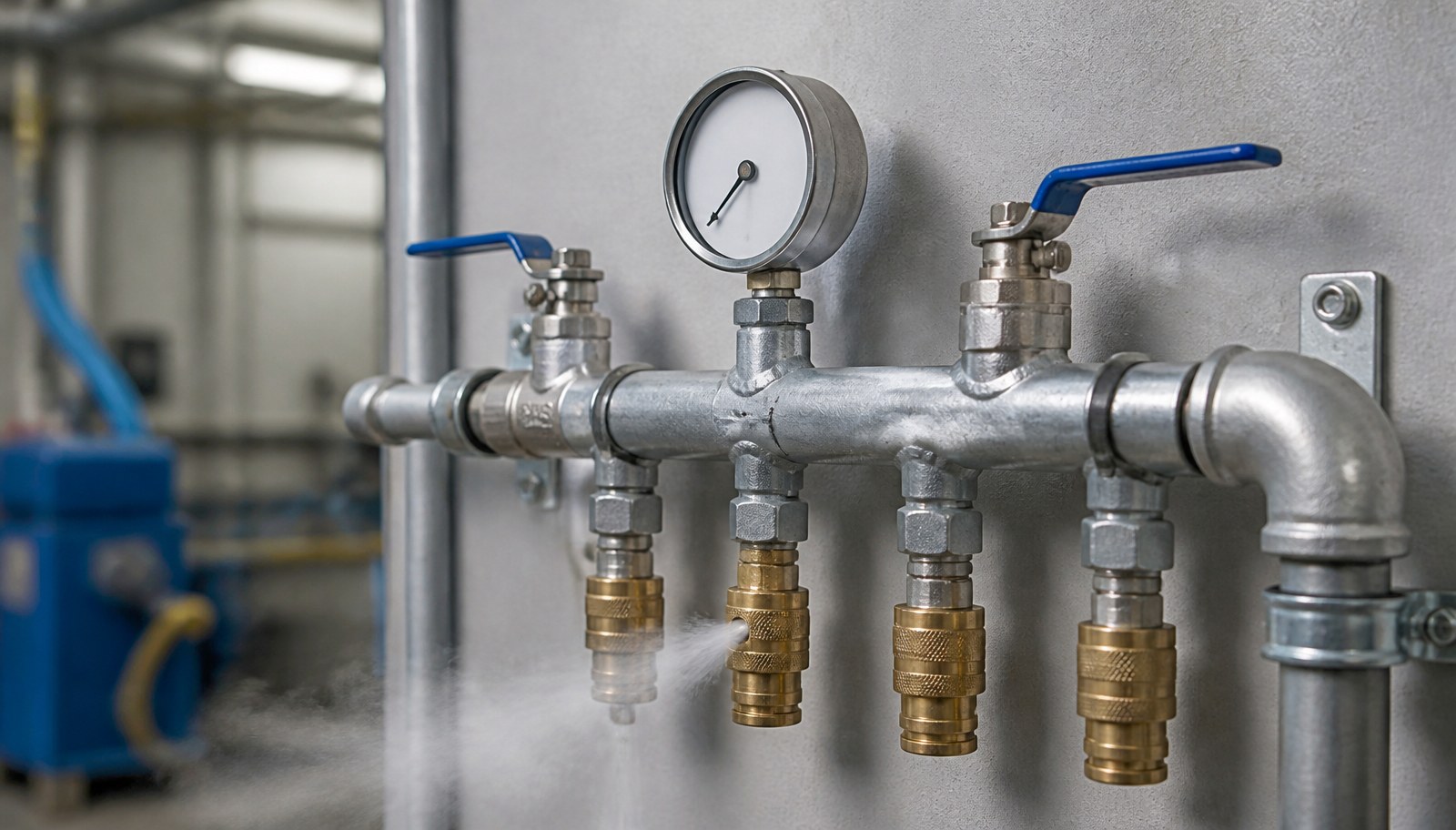
Air leaks are the number one cause of wasted compressed air and energy. Leaks can occur at pipe joints, quick couplings, valve seats, filter housings and worn hose connections. Even tiny leaks add up quickly, forcing the compressor to run longer to maintain target pressure. In older factories, leaks can waste 20% to 30% of total compressed air output.
- Conduct regular leak detection audits using ultrasonic leak detectors.
- Tag and repair leaks during scheduled shutdowns.
- After repairs, compare runtime and power consumption data to measure savings.
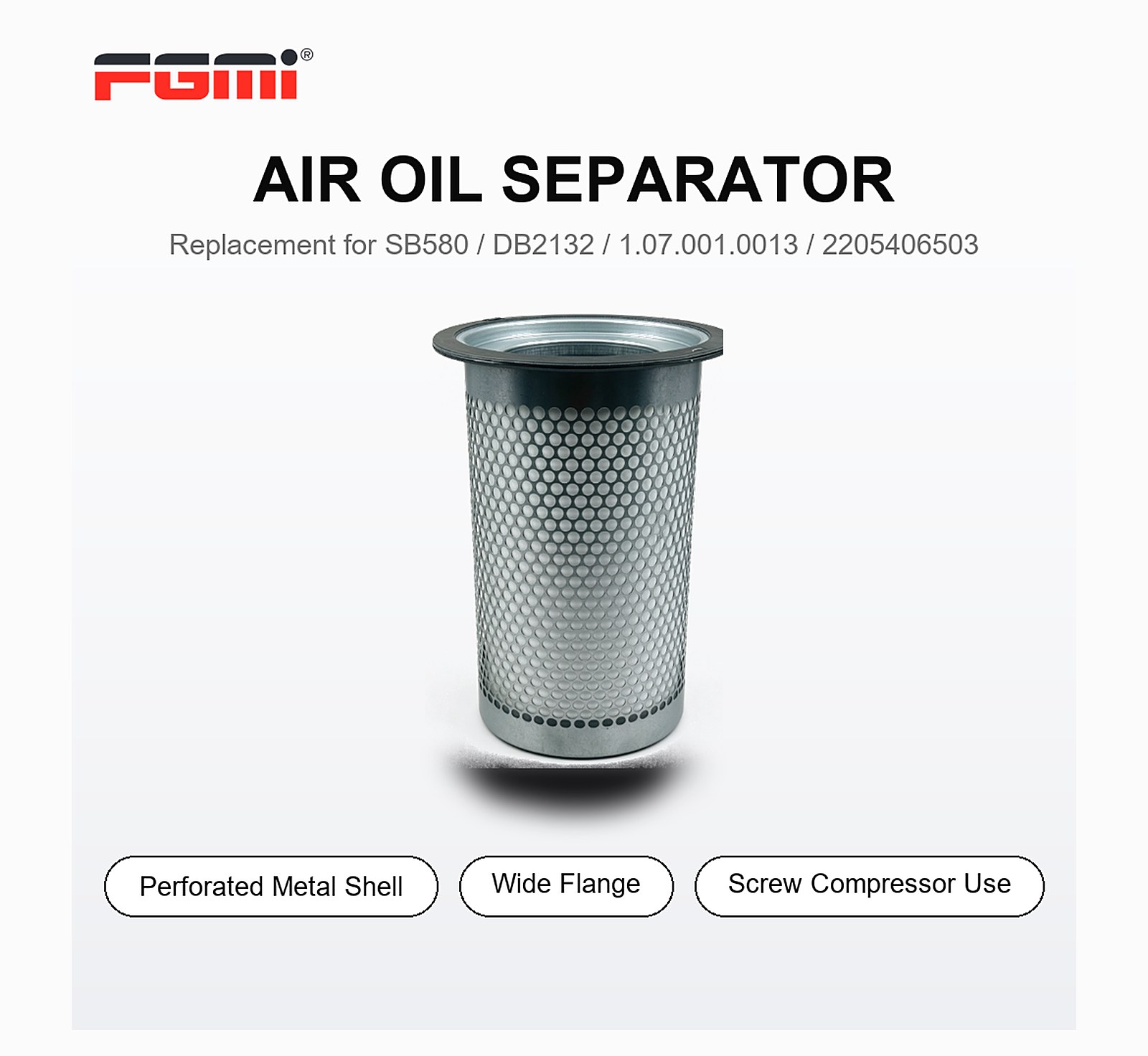
Leak repair delivers fast ROI and should be the first step of any energy-saving project. Check filter housing seals and drain points as well — a leaking air-oil separator housing is one of the most common hidden leaks in screw compressor systems.
2. Lower System Operating Pressure
Every extra bar of operating pressure increases power consumption. Many plants run compressors at higher pressure than required by production tools.
- Review the pressure requirement of every pneumatic device on your line.
- Reduce the main system pressure to the minimum value that meets tool specifications.
- Use point-of-use pressure regulators for individual machines that need higher pressure, instead of raising pressure for the whole network.
- Avoid constant pressure fluctuations, which increase cycling frequency and energy waste.
This simple adjustment reduces power draw and also lowers leak loss across the entire piping network.
3. Keep Filters Clean and Replace on Schedule
Clogged intake filters, inline particulate filters and coalescing filters create extra pressure drop. The compressor must consume more power to push air through blocked filter media.
- Inspect filter differential pressure regularly and replace elements at the recommended threshold, not just by calendar date.
- Use multi-stage filtration to protect high-value fine filters and extend their working life.
- Damaged or leaking filters also allow contaminants into the system, which accelerates wear and creates more energy loss over time.
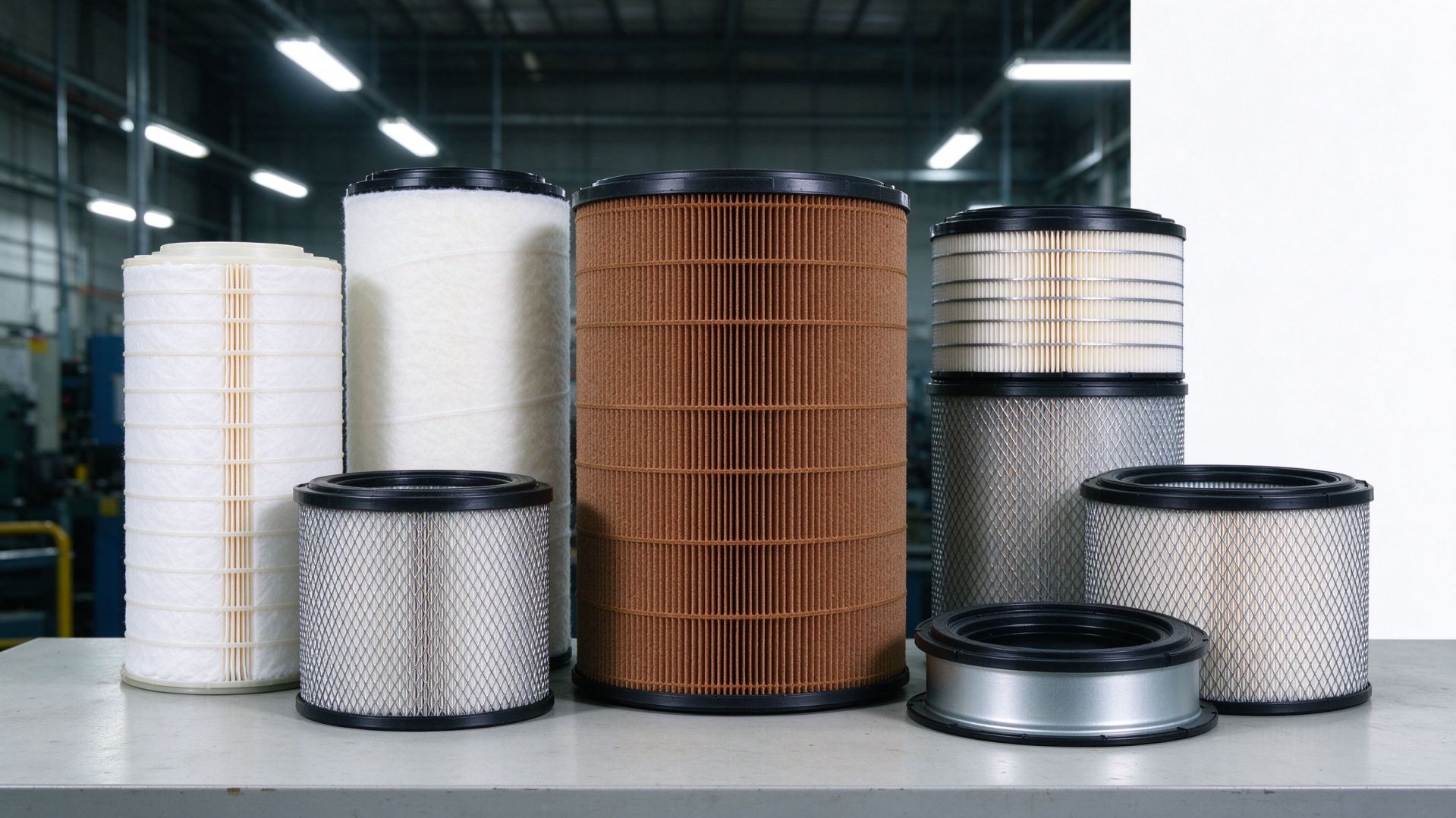
Proper filter maintenance reduces pressure drop and protects the whole compressed air circuit. Choose matched replacement elements for your compressor model — browse air intake filters, air-oil separators and oil filters for screw compressors, or send us your OEM part number.
4. Improve Ventilation and Intake Air Temperature
Cool intake air reduces compression work and power usage. Hot compressor rooms or intake air pulled from near hot equipment will raise energy consumption.
- Ensure the compressor room has dedicated fresh air intake and hot air exhaust.
- Keep intake ports away from radiators, boiler vents and direct sunlight.
- Maintain proper clearance around the compressor cabinet so cooling air flows freely.
- Clean coolers and heat exchangers periodically to remove dust buildup.
Lower inlet temperature directly cuts power consumption and also reduces overheating risk — see also our guide on how to prevent air compressor overheating.
5. Optimize Compressor Duty Cycle and Runtime Management
5.1 Avoid Unnecessary Idle Running
Many compressors continue idling during breaks, shift changes or off-production hours. Idling still consumes electricity.
- Set auto-shutdown timers to stop the compressor after a preset idle period.
- Turn off compressors fully when there is no air demand.
- Map your production air demand profile to match compressor operation to actual working hours.
- Avoid running the compressor 24/7 if your workshop only operates in daytime shifts.
5.2 Multi-Compressor System Control
Facilities with multiple compressors often waste energy by running multiple machines at part load.
- Install a central compressor controller to sequence units automatically.
- The controller runs the most efficient combination of compressors to match real-time air demand.
- Avoid running several small compressors in light load simultaneously.
- Use one base-load machine for steady demand and smaller units for peak demand spikes.
Smart sequencing reduces part-load operation and cuts overall power consumption significantly. If your demand profile was never calculated, start with our guide to choosing the right air compressor size — an oversized machine is a permanent energy tax.
6. Follow Complete Preventive Maintenance
Poor maintenance makes compressors less energy efficient. Degraded compressor oil loses lubrication and heat transfer properties, increasing friction and power draw. Worn belts, motor bearings and faulty valves also reduce efficiency.
- Stick to scheduled oil changes, oil filter replacement, separator element service and motor inspections.
- Keep maintenance logs to track performance trends.
- A well-maintained compressor maintains its rated efficiency for many years, while neglected equipment loses performance year after year.
Change the oil filter together with the oil every service — a partially clogged element by-passes and circulates contaminated oil. See how often air compressor filters should be replaced for a service interval table.
7. Waste Heat Recovery Options
Air compressors convert most of their electrical input into heat. Instead of venting this heat outdoors, you can recover it for space heating or process hot water.
- Heat recovery systems capture waste heat from oil coolers or aftercoolers.
- This recovered heat can warm workshop areas in cold seasons or pre-heat process water.
- Heat recovery turns wasted thermal energy into a usable resource, lowering the need for separate heating equipment and reducing total site energy bills.
8. Optimize End-Use Pneumatic Equipment
Many energy losses happen at the point of use.
- Replace old inefficient pneumatic tools, open blow-off nozzles and leaky cylinders.
- Use efficient air nozzles instead of uncontrolled open air blowing.
- Shut off air supply to idle machines.
- Review every application to confirm compressed air is the right solution — some blowing or cooling tasks can be completed with fans instead of expensive compressed air.
Small upgrades at end-use points can reduce total air demand and lighten the compressor load.
Conclusion
Saving energy on air compressors is a continuous process, not a one-time project. Start with leak detection and pressure reduction — the lowest-cost, highest-return actions. Maintain filters, coolers and lubricants to keep pressure drop low and machine efficiency high. Match compressor runtime to real air demand and consider heat recovery for larger systems.
By combining regular audits, preventive maintenance and smart operational adjustments, industrial users can cut electricity costs, reduce downtime and maximize the return on investment of their compressed air system. Browse the full replacement filter range or contact our engineers with your model plate data.
Related Products & Further Reading
Matching filter elements for this guide
- Air Filter C1360 — intake element for mid-range screw compressors.
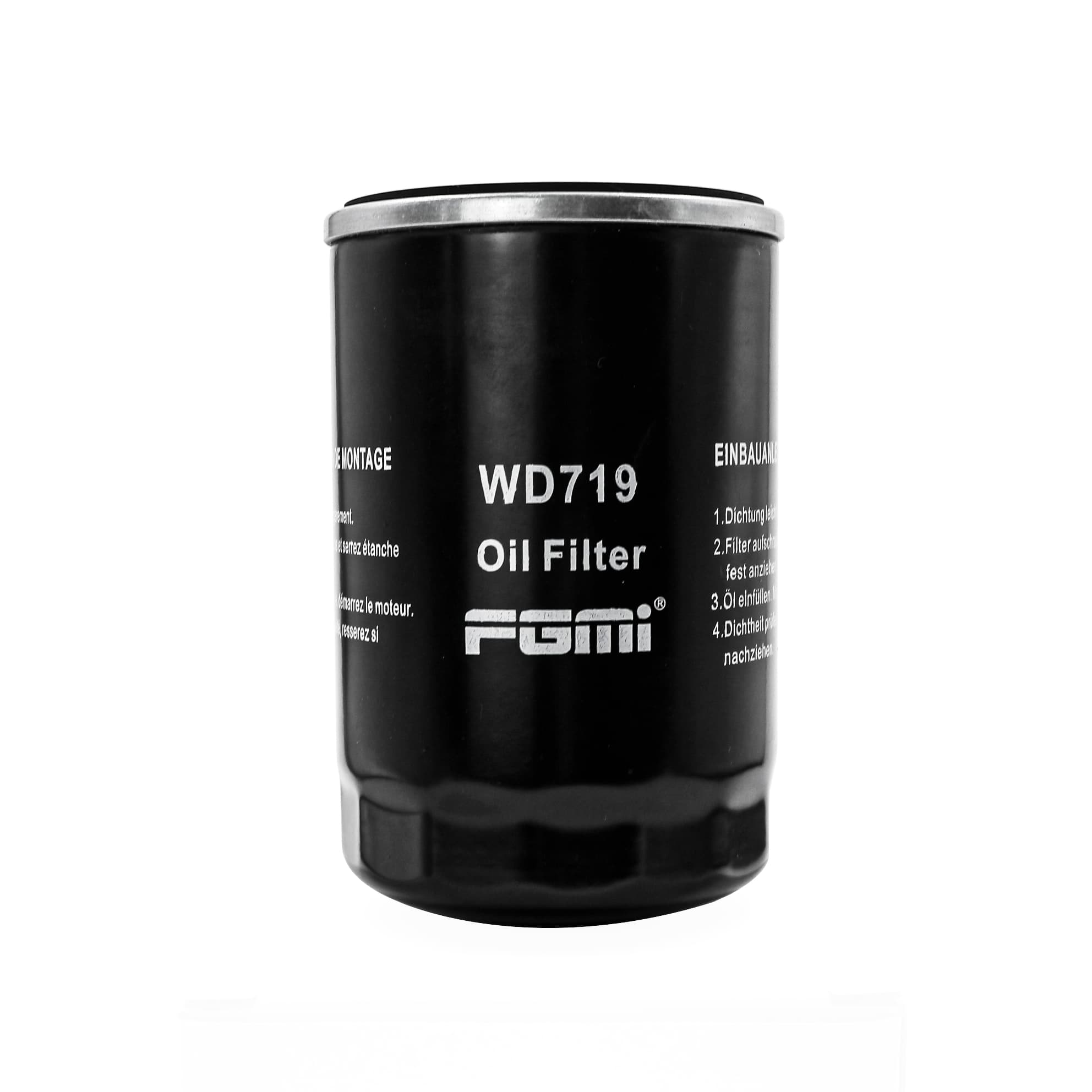
- Oil Filter WD719 (10HP / 10A) — spin-on oil filter for small compressor units.
- Air-Oil Separator SB564 / DB2186 (50HP) — separator element for 50HP machines.
Continue reading
Frequently Asked Questions (FAQ) About Compressed Air Energy Saving
Q1: How much compressed air do leaks waste?
A1: In older factories, leaks can waste 20% to 30% of total compressed air output. Leaks typically occur at pipe joints, quick couplings, valve seats, filter housings and worn hose connections.
Q2: Does lowering system operating pressure save energy?
A2: Yes. Every extra bar of operating pressure increases power consumption. Reduce the main system pressure to the minimum that meets tool specifications, and use point-of-use pressure regulators for individual machines instead of raising pressure for the whole network.
Q3: When should air compressor filters be replaced to save energy?
A3: Inspect filter differential pressure regularly and replace elements at the recommended threshold, not just by calendar date. Clogged intake, particulate and coalescing filters create pressure drop that forces the compressor to consume more power. More detail in our air filter lifespan guide.
Q4: Does intake air temperature affect compressor power consumption?
A4: Yes. Cool intake air reduces compression work and power usage. Provide dedicated fresh air intake and hot air exhaust for the compressor room, keep intake ports away from hot equipment, and clean coolers periodically.
Q5: Should air compressors be switched off during breaks?
A5: Yes. Idling still consumes electricity. Set auto-shutdown timers to stop the compressor after a preset idle period, and turn compressors off fully when there is no air demand.
Q6: Is compressor waste heat recovery worth it?
A6: Air compressors convert most of their electrical input into heat. Recovery systems capture this heat from oil coolers or aftercoolers for space heating or process hot water, reducing the need for separate heating equipment and lowering total site energy bills.
FGMI · FACTORY DIRECT SUPPLY
Get a Matched Filter & Energy-Saving Quotation
Send your compressor model, power rating or OEM part number. We confirm fitment, differential pressure and a replacement schedule for your machine — usually within one working day.
|
WhatsApp / WeChat: +86 180 2755 8737 Email: effy_yan@huamacompressor.com Address: Guangdong Feige Filter Co., Ltd. 4th Floor, No. 6, Industrial Fourth Road, Hengjiangxia, Changping Town, Dongguan City, Guangdong Province of China |
COMMERCIAL TERMS Sample lead time: about 7 days Mass production: about 45 days after deposit MOQ: 1 carton per model, export packing Warranty: 1 year from shipment |
where to buy oil filter
HEPA vs. Standard Filters: Key Differences
Related Article