How to Prevent Air Compressor Overheating
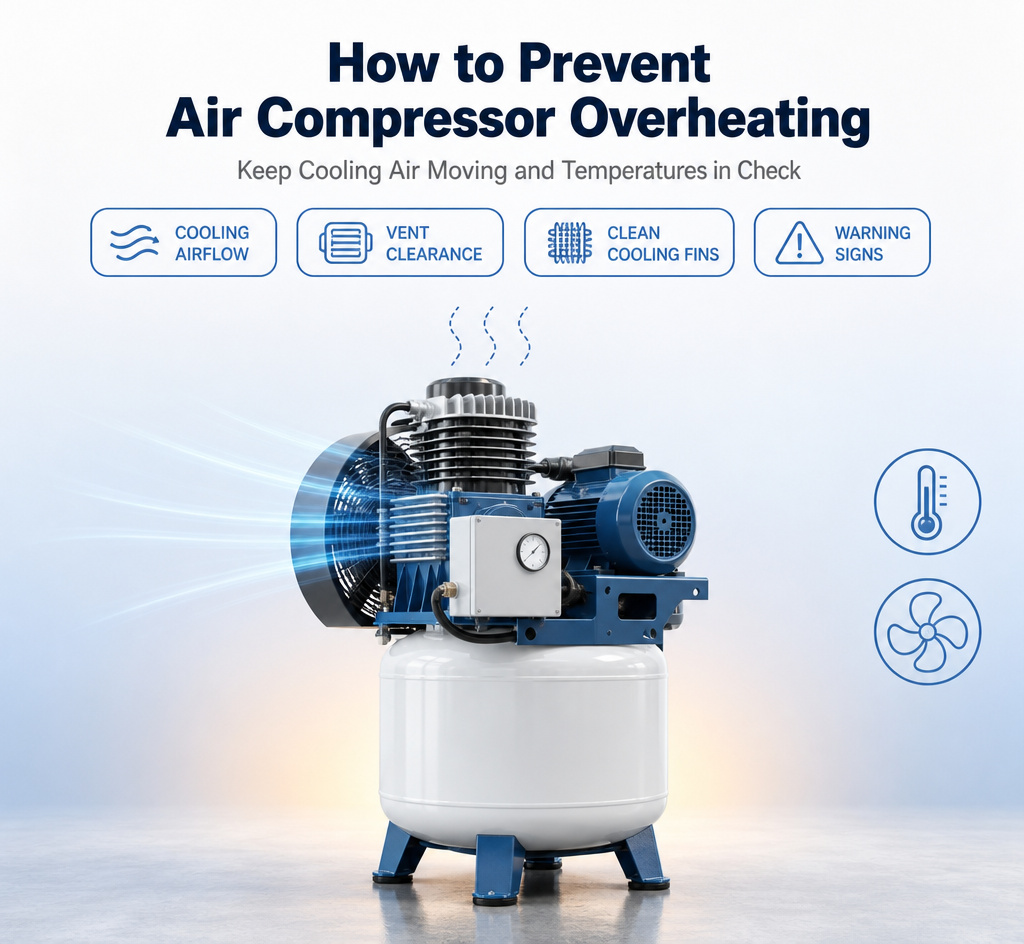
How to Prevent Air Compressor Overheating: Root Causes, Warning Signs and Preventive Maintenance
Air compressor overheating is one of the most frequent causes of unplanned downtime in industrial compressed air systems. Excess heat triggers automatic shutdown alarms, accelerates oil degradation, creates carbon deposits and varnish, and can permanently damage rotors, bearings and seals.
The good news: many overheating incidents stem from simple, preventable maintenance issues or poor installation layout. This guide covers practical, actionable steps to identify heat sources and implement preventive maintenance to keep your air compressor operating within safe temperature ranges.
KEY POINTS AT A GLANCE
| Typical root causes | Poor ventilation, dirty coolers, degraded oil, clogged filters, failed fans, overload | Start checks with | Room airflow + cooler fin blockage |
| Oil role | Lubricant and heat transfer medium — correct grade, on-schedule changes | Hidden driver | Air leaks force continuous running and sustained heat |
| Early warnings | Slow discharge-temperature drift up, frequent fan starts, oil discoloration | Summer risk | High ambient temperature compounds every other issue |
Table of Contents
- Common Root Causes of Air Compressor Overheating
- Optimize Room Ventilation and Ambient Air Conditions
- Maintain Oil Coolers and Aftercoolers
- Compressor Oil and Oil Filter Maintenance
- Inspect Intake Air Filters and Air Intake Path
- Manage Compressor Load and Duty Cycle
- Check Cooling Fan, Belts and Temperature Sensors
- Early Warning Signs of Impending Overheating
- Conclusion
- Related Products & Further Reading
- Frequently Asked Questions (FAQ) About Compressor Overheating
1. Common Root Causes of Air Compressor Overheating
Overheating rarely happens from a single factor. Typical triggers include:
- Poor room ventilation and recirculated hot air
- Dirty heat exchangers (oil coolers and aftercoolers)
- Degraded or incorrect compressor oil; clogged oil filters
- Blocked intake filters and restricted intake path
- Failed cooling fans, worn belts, faulty temperature sensors
- Continuous overloaded operation, often driven by air leaks — with high summer ambient temperature compounding everything
In many cases, operators ignore small temperature increases until the compressor hits the overheat threshold and shuts down unexpectedly. Understanding these causes helps build a proactive maintenance plan instead of reacting to emergency failures.
2. Optimize Room Ventilation and Ambient Air Conditions
Compressors generate massive amounts of waste heat during operation. The compressor room must have sufficient incoming cool air and exhaust outlets to remove hot air.
- Avoid placing the machine in small enclosed closets, corners or spaces with recirculated hot air.
- Maintain recommended clearance gaps around the compressor cabinet for airflow.
- In hot climates, install exhaust fans or dedicated ventilation ducting to pull hot air outside.
- Keep intake air away from boiler exhaust, hot process equipment and direct sunlight.
Lower ambient inlet temperature directly reduces the compressor’s internal operating temperature and cooling burden.
3. Maintain Oil Coolers and Aftercoolers
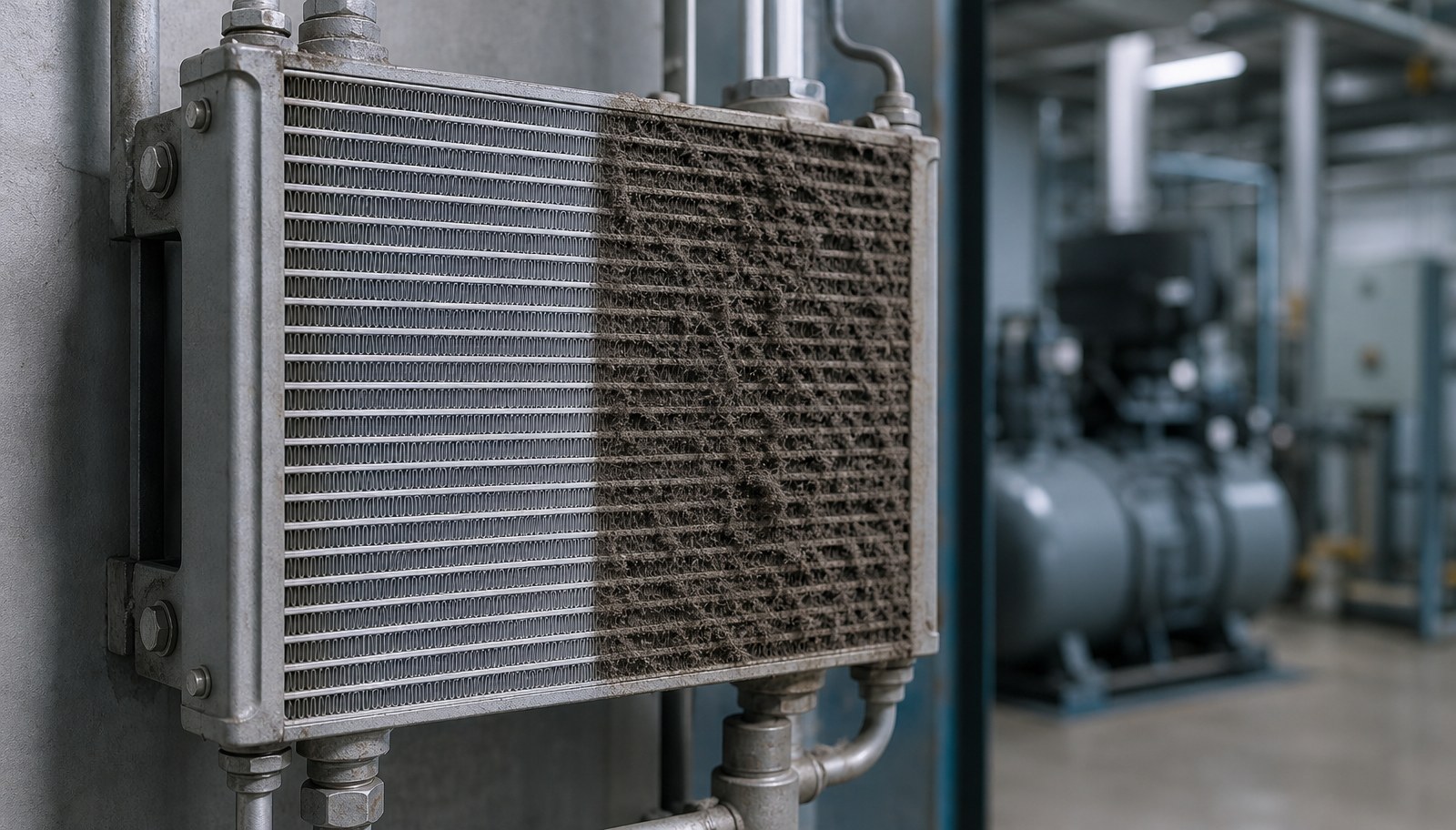
Heat exchangers are the core of the compressor cooling system. Dust, lint, debris and oil residue build up on cooler fins and block heat transfer.
- Schedule regular cleaning of air-cooled oil coolers and aftercoolers.
- For water-cooled compressors, inspect water lines, check for mineral scale buildup, and verify water flow and pressure.
- When cleaning coolers, avoid bending delicate fins and use compatible cleaning agents to prevent corrosion.
Dirty coolers cannot dissipate heat efficiently, pushing discharge temperature higher even if all other components work properly.
4. Compressor Oil and Oil Filter Maintenance
4.1 Use the Correct Oil Grade
Compressor oil acts as both lubricant and heat transfer medium. Using wrong viscosity oil, old oxidized oil or mixing different oil types reduces cooling performance. Degraded oil loses its thermal stability and forms varnish inside oil passages, further blocking heat flow. Always use oil specified for your compressor model, either mineral or synthetic grade, and follow scheduled oil change intervals.
4.2 Replace the Oil Filter on Time
Clogged oil filters restrict oil circulation, reducing the flow of cooling lubricant through the compressor and cooler. Replace oil filters together with oil changes. Monitor differential pressure across the oil filter to catch clogging early. Restricted oil flow quickly raises internal temperature and puts bearings and rotors at risk.
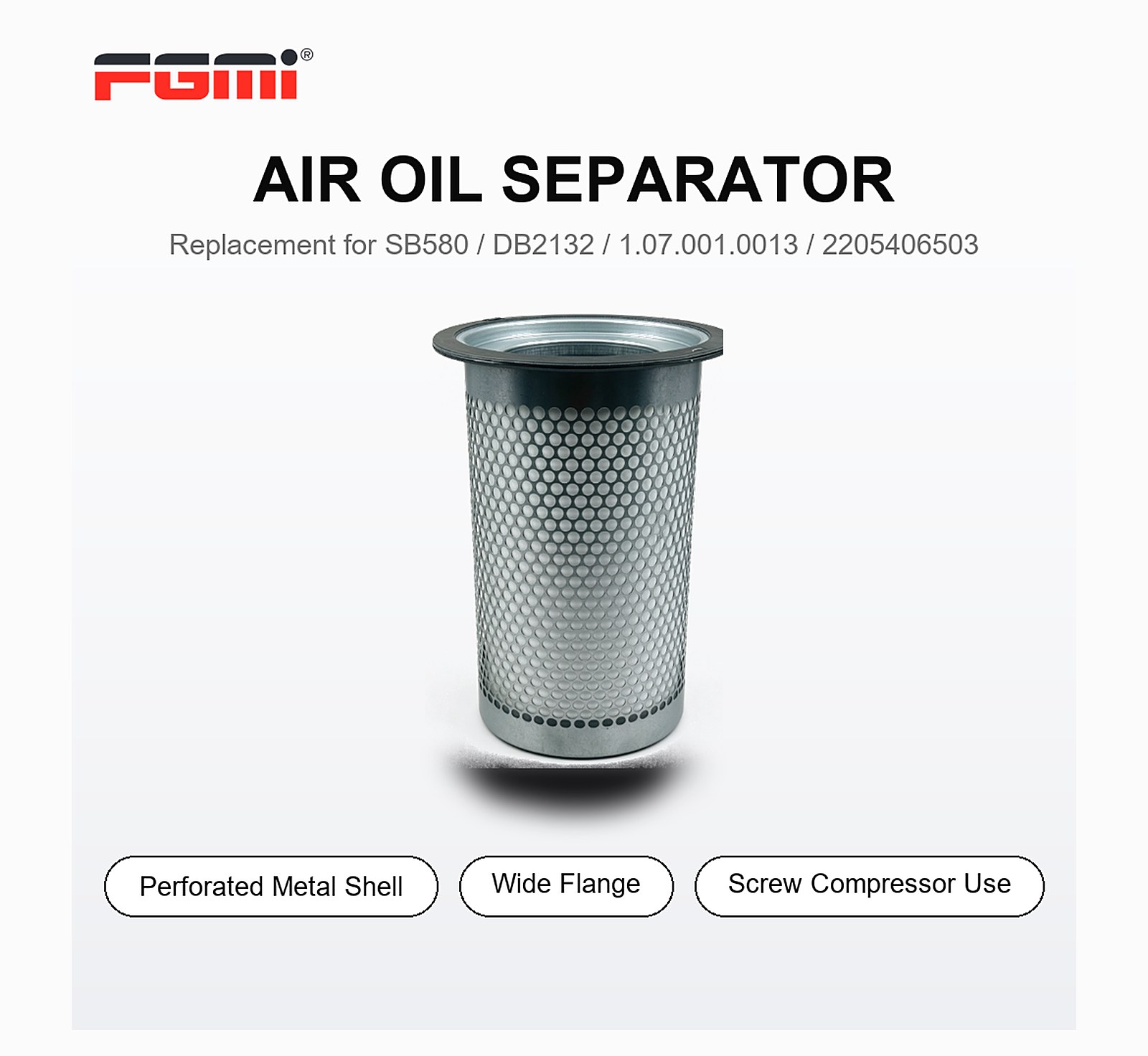
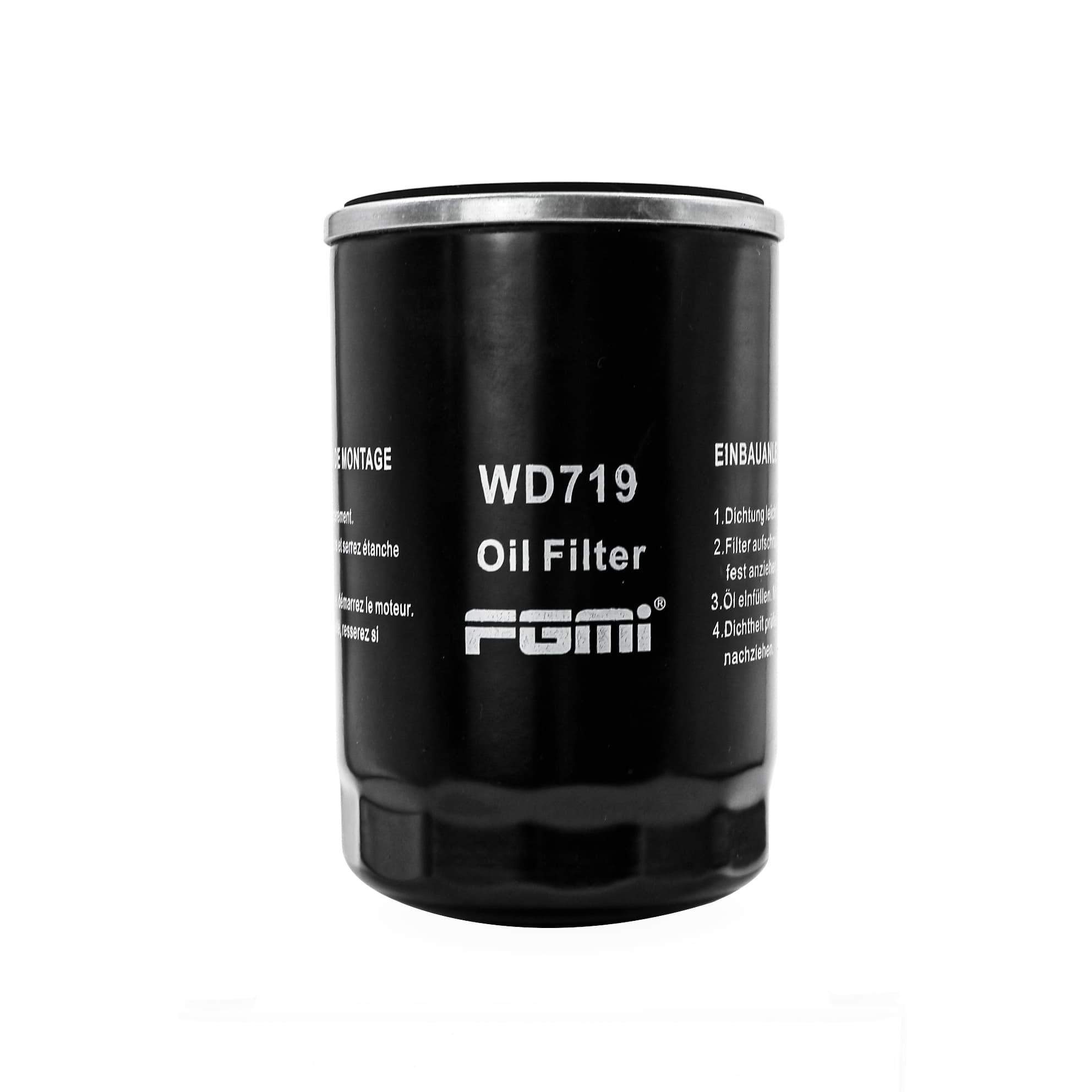
Replacement elements for rotary screw compressors — browse oil filters and air-oil separators, or send your compressor model for matched selection.
5. Inspect Intake Air Filters and Air Intake Path
A blocked intake air filter limits airflow into the compressor, increasing compression ratio and heat generation. Inspect intake filters regularly and replace them according to differential pressure readings.
- Check intake piping for collapsed hoses or obstructions.
- Dusty environments accelerate filter clogging, requiring shorter inspection cycles.
- Clean intake air also reduces contamination of oil and heat exchangers, supporting long-term cooling efficiency.
Matched intake filter elements are listed under air intake filters; see also energy-saving tips for air compressor users.
6. Manage Compressor Load and Duty Cycle
Running a compressor continuously above its rated duty cycle creates sustained high heat.
- Check for air leaks in the compressed air piping network — large leaks force the compressor to run nonstop to maintain pressure.
- Oversized demand or undersized compressor units will also cause constant high-load operation.
- Fix air leaks, balance air consumption, and avoid running the machine at maximum pressure unnecessarily.
Lower operating pressure reduces heat generation and energy consumption simultaneously.
7. Check Cooling Fan, Belts and Temperature Sensors
- Inspect cooling fan operation, fan belts and fan motors regularly. Worn, loose or broken fan belts reduce fan speed and airflow.
- Verify the fan starts automatically when temperature rises.
- Faulty temperature sensors can give incorrect readings or fail to trigger fan operation. Test sensors periodically and calibrate as required.
- Even a fully functional cooler cannot work if the cooling fan does not activate properly.
8. Early Warning Signs of Impending Overheating
Watch for these early indicators before a full overheat shutdown occurs:
- Gradually rising discharge temperature
- Frequent fan activation
- Unusually hot cabinet surface
- Oil discoloration
- Increased pressure drop across coolers or filters
Keep log records of discharge temperature trends. A slow upward temperature drift is usually the first sign of fouled coolers or deteriorating oil. Address these symptoms immediately instead of waiting for the overheat alarm.
Conclusion
Preventing air compressor overheating relies on good ventilation, clean heat exchangers, proper oil maintenance, unobstructed intake airflow, and functional cooling fan assemblies. Reducing air leaks and managing compressor duty cycles also lower thermal stress.
Regular monitoring of discharge temperature and differential pressure helps catch issues before they escalate into costly failures. By combining proper installation layout with routine preventive maintenance, you can keep your compressor running within safe temperature limits, extend component lifespan and minimize unexpected production downtime.
Related Products & Further Reading
Matching filter elements for this guide
- Oil Filter WD719 (10HP / 10A) — service the oil circuit at every change
- Air-Oil Separator SB520 / DB2057 (20HP) — a fouled separator raises discharge temperature
- Air Filter C1360 — clean intake keeps the machine cool and efficient
Continue reading
Frequently Asked Questions (FAQ) About Compressor Overheating
Q1: Why does my air compressor overheat?
A1: Overheating rarely happens from a single factor. Typical triggers include poor ventilation, dirty heat exchangers, degraded or incorrect compressor oil, clogged oil filters, blocked intake filters, failed cooling fans, and continuous overloaded operation. High ambient temperatures in summer workshops compound these issues.
Q2: Can air leaks cause compressor overheating?
A2: Yes. Large leaks in the compressed air piping network force the compressor to run nonstop to maintain pressure, creating sustained high heat. Fix air leaks, balance air consumption, and avoid running the machine at maximum pressure unnecessarily.
Q3: Does compressor oil affect operating temperature?
A3: Yes. Compressor oil acts as both lubricant and heat transfer medium. Wrong viscosity oil, old oxidized oil or mixed oil types reduce cooling performance. Degraded oil loses thermal stability and forms varnish inside oil passages, further blocking heat flow.
Q4: What are the early warning signs of compressor overheating?
A4: Gradually rising discharge temperature, frequent fan activation, unusually hot cabinet surface, oil discoloration, and increased pressure drop across coolers or filters. A slow upward temperature drift is usually the first sign of fouled coolers or deteriorating oil.
Q5: Why should coolers and aftercoolers be cleaned regularly?
A5: Dust, lint, debris and oil residue build up on cooler fins and block heat transfer. Dirty coolers cannot dissipate heat efficiently, pushing discharge temperature higher even if all other components work properly. When cleaning, avoid bending delicate fins and use compatible cleaning agents to prevent corrosion.
Need matched oil filters, separators or intake filters for your compressor? Contact FGMI with your compressor model or OEM part number for factory-direct quotation.
FGMI · FACTORY DIRECT SUPPLY
Get a Matched Filter & Cooling-System Parts Quotation
Send your compressor model, power rating or OEM part number. We confirm fitment, differential pressure and a replacement schedule for your machine — usually within one working day.
|
WhatsApp / WeChat: +86 180 2755 8737 Email: effy_yan@huamacompressor.com Address: Guangdong Feige Filter Co., Ltd. 4th Floor, No. 6, Industrial Fourth Road, Hengjiangxia, Changping Town, Dongguan City, Guangdong Province of China |
COMMERCIAL TERMS Sample lead time: about 7 days Mass production: about 45 days after deposit MOQ: 1 carton per model, export packing Warranty: 1 year from shipment |
HEPA vs. Standard Filters: Key Differences
Air Filter Lifespan: When to Replace It
Related Article